
Call +1(901) 292-4455

Discover Spirituality Online With The Radiant Church 3D Virtual Tour

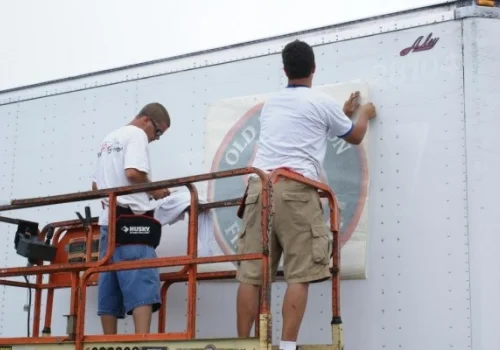
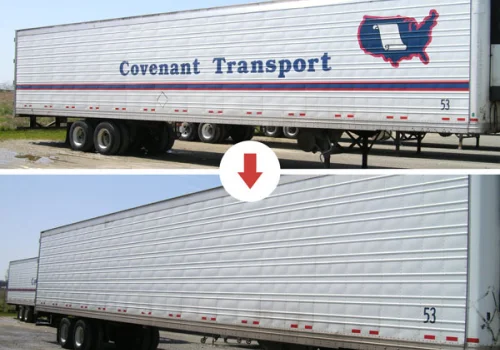
Are you looking to breathe new life into your old trailer? Removing worn-out decals can be a transformative process, not only enhancing the appearance of your trailer but also preparing it for resale or redecoration. In this detailed guide, we’ll walk you through the ins and d outs of trailer decal removal, providing you with practical tips and expert advice to ensure a smooth, damage-free process.

Understanding the Basics of Decal Removal

Before diving into the removal process, it’s crucial to understand what decals are made of. Most are vinyl, a material that can be both durable and stubborn, especially if it’s been baked on by the sun for years. Decals are adhered to trailers using various types of glues, which can harden over time, making the removal process challenging.

Tools and Materials Needed

Heat gun or hair dryer: To soften the decal adhesive.

Plastic razor blades or a decal removal wheel: To peel the decals without damaging the underlying surface.

Adhesive remover: To clean up residual glue.

Clean cloths and mild detergent: For cleaning the surface post-removal.

Rubber gloves and safety glasses: To protect your hands and eyes.

Step-by-Step Guide to Removing Trailer Decals

Step 1: Prepare the Area

Ensure your trailer is in a shaded area or a cool garage. Excessive heat can make the adhesive more gooey and difficult to manage. Clean the decal and surrounding area to remove dirt and debris that could scratch the surface during removal.

Step 2: Apply Heat

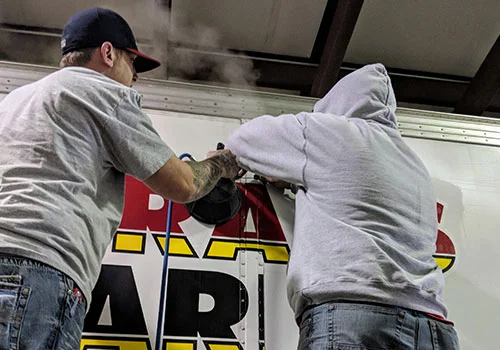
Using a heat gun or hair dryer, evenly apply heat to a section of the decal. The heat softens the vinyl and loosens the adhesive, making it easier to peel off. Keep the heat source moving to avoid concentrating too much heat in one spot, which could damage the paint.

Step 3: Peel the Decal

Start at a corner of the decal and use a plastic razor blade or your fingernail to lift the edge. If you have a decal removal wheel, attach it to a drill and slowly work it over the surface. Peel the decal off slowly, applying more heat as necessary to keep the adhesive soft.

Step 4: Remove Adhesive Residue

Once the decal is off, you’ll likely have some sticky residue left behind. Apply an adhesive remover according to the manufacturer’s instructions, let it sit for the recommended time, and then wipe it away with a clean cloth. For tough residues, you may need to repeat this step.

Step 5: Clean and Polish

After all residues are removed, wash the area with mild detergent and water. Dry it thoroughly and apply a wax or polish to protect the surface and enhance its appearance.

Tips for Successful Decal Removal

Patience is Key: Take your time, especially with older, more stubborn decals. Rushing the process can damage the surface.

Test Products: Before using any chemical remover or tool, test it on a small, inconspicuous area of your trailer to ensure it doesn’t damage the paint.

Avoid Excessive Heat: While heat helps in softening the adhesive, too much can damage the paint or even warp the metal on your trailer.

Conclusion

Removing decals from your trailer can significantly impact its appearance, potentially increasing its resale value or giving it a fresh new look for your next adventure. With the right tools, techniques, and a bit of patience, you can achieve professional results at home. Whether you’re updating your old trailer or preparing it for sale, decal removal is a cost-effective way to make a noticeable improvement.

A Brand’s Transformation Is Masterfully Managed By A Rebrand Specialist

In today’s fast-paced market, the need to stay relevant and appealing is more crucial than ever. This is where rebrand specialists come into play, offering expertise that can pivot a company’s brand towards greater success and resonance with its target audience. Rebranding is more than just revamping a logo or updating a tagline; it’s a comprehensive process that involves deep strategic thinking and creative execution. Here’s an in-depth look at what rebrand specialists do and why their role is critical in the corporate world.

1. Understanding the Role of Rebrand Specialists

Rebrand specialists are professionals who guide businesses through the complex process of redefining their corporate image. Their expertise spans various domains including market research, creative design, strategic planning, and project management. Essentially, they act as architects of a brand’s new identity, ensuring that every aspect of the rebrand aligns with the company’s goals and market expectations.

2. When to Consider Rebranding

Businesses consider rebranding for various reasons. A major trigger is often a significant change in the company’s direction, such as new product lines or market expansion. Other reasons include outdated branding, mergers and acquisitions, and the need to differentiate from competitors. Rebrand specialists step in to ensure that the transition not only reflects the change but also positions the company advantageously in its market.

3. The Process of Rebranding

The rebranding process is intricate and requires meticulous planning. Here’s how rebrand specialists typically approach the task:

Research and Analysis: This initial phase involves understanding the current brand position, competitor analysis, and identifying target audience perceptions. This data forms the foundation of the rebranding strategy.

Strategy Development: Based on the insights gained, rebrand specialists develop a rebranding strategy that includes defining the brand’s new vision, mission, and values. They outline the key messages that need to be communicated through the new brand identity.

Design and Development: Creative elements such as logos, color schemes, and overall visual identity are redesigned. This phase also includes the creation of brand guidelines to ensure consistency across all communications.

Implementation: The new brand is rolled out through a carefully orchestrated launch plan. This involves updating all digital and physical brand touchpoints, training staff on the new brand message, and launching marketing campaigns to introduce the new brand to customers.

Monitoring and Adjusting: After the launch, rebrand specialists monitor the public’s reaction to the new brand and make adjustments as necessary. This helps refine the branding efforts and ensures the rebranding achieves its intended objectives.

4. Challenges in Rebranding

Rebranding carries significant risks, and without expert guidance, companies can face backlash or confusion in the market. A common challenge is ensuring that existing customers feel connected to the new brand without alienating them. Rebrand specialists manage these risks by developing a transition strategy that includes clear communication and gradual introduction of new brand elements.

5. Success Stories of Effective Rebranding

Many companies have successfully reinvigorated their brands with the help of rebrand specialists. For instance, a well-known technology company rebranded to shift its image from merely selling products to innovating for a smarter future. This helped them capture a younger, more tech-savvy audience. Another example is a retail chain that rebranded to emphasize sustainability, attracting eco-conscious consumers and revitalizing its store experiences.

6. The Future of Rebranding

As markets continue to evolve, the strategies employed by rebrand specialists also adapt. Emerging trends include the use of data analytics to predict brand trends and the integration of digital experiences in physical offerings. The role of rebrand specialists is becoming increasingly crucial as companies seek to navigate the complexities of consumer expectations and technological advancements.

Conclusion

Rebrand specialists play a pivotal role in ensuring that a brand’s transformation resonates effectively with both existing and potential customers. Their strategic insight and creative skills are essential in navigating the multifaceted challenges of rebranding. For businesses looking to stay competitive and relevant, engaging a rebrand specialist might just be the key to unlocking new growth opportunities and revitalizing their public image.

Navigating the Complexities of Graphics Removal: A Comprehensive Guide

In the dynamic world of visual presentations and advertising, graphics play a crucial role in conveying messages and attracting attention. However, there comes a time when these graphics, whether they be on vehicles, walls, or windows, need to be removed. Graphics removal can be a daunting task, requiring precision and care to avoid damage to the underlying surfaces. This comprehensive guide will explore the various aspects of graphics removal, offering tips and techniques to ensure a clean and efficient process.

Understanding Graphics Removal

Graphics removal refers to the process of taking off decals, vinyl stickers, and other forms of adhesives from surfaces like glass, metal, and painted walls. This process is critical for businesses updating their branding, individuals looking to refresh their vehicle’s appearance, or properties undergoing renovation. The challenge lies not just in removing the graphic itself, but in doing so without leaving residue or damaging the material beneath.

Types of Graphics and Associated Challenges

Different types of materials and adhesives can pose unique challenges during the removal process:

Vinyl Graphics: Commonly used on vehicles and store windows, vinyl can become brittle and break apart with age, making removal more tedious.

Decals: Often used for promotional or informational purposes on walls and windows, decals can leave sticky residue that is difficult to clean.

Adhesive Residue: After the graphic is removed, the adhesive can remain on the surface and attract dirt, making it visually unappealing and tough to remove.

Tools and Materials Needed for Effective Graphics Removal

To successfully remove graphics, you will need the right tools and materials:

Heat Gun or Hair Dryer: Applying heat helps to soften the adhesive, making the vinyl more pliable and easier to peel off.

Plastic Scrapers: These are used to lift the edges of the graphics without scratching the surface.

Adhesive Remover: A chemical solution that can break down the adhesive residue left after the graphic is removed.

Clean Cloths and Soapy Water: Essential for cleaning the surface post-removal.

Step-by-Step Process for Graphics Removal

Heat Application: Begin by gently heating the graphic with a heat gun or hair dryer. Aim to warm it evenly without overheating any specific area, as this can cause damage.

Peeling the Graphics: Start at a corner or edge and use a plastic scraper to lift the graphic away from the surface. Slowly peel back the material at a 45-degree angle, applying heat as needed to ease the process.

Removing Adhesive Residues: Once the graphic is off, apply an adhesive remover to any sticky areas. Allow it to sit for a few minutes before gently wiping away with a clean cloth.

Cleaning the Surface: Finally, clean the entire area with soapy water to remove any remaining cleaner or loosened dirt, ensuring a pristine surface ready for new graphics or a fresh coat of paint.

Tips for Avoiding Damage During Graphics Removal

Test a Small Area: Before applying heat or chemicals to the entire graphic, test them on a small, inconspicuous area to ensure they do not damage the surface.

Use Moderate Heat: Excessive heat can melt or warp materials, especially plastics, and painted surfaces.

Be Patient: Rushing the removal process can cause more harm than good. Take your time to achieve the best results.

Conclusion

Graphics removal, though seemingly straightforward, involves careful handling to maintain the integrity of the underlying surfaces. By understanding the different types of graphics, utilizing the proper tools, and following a methodical approach, you can effectively remove old graphics without causing damage. Whether for business rebranding, personal projects, or property maintenance, mastering the art of graphics removal is an invaluable skill in today’s visually oriented world.

Store Front Decal Removal: A Comprehensive Guide to Efficient and Professional Removal

Storefront decals serve as a powerful tool for advertising, branding, and attracting customers. However, there comes a time when these decals need to be removed, whether due to rebranding, store closure, or simply to update the look of the storefront. Storefront decal removal is a task that requires precision and care to ensure the underlying surface remains undamaged and ready for new signage. This article explores the benefits, methods, and considerations for efficient and professional storefront decal removal.

The Importance of Professional Storefront Decal Removal

Decals and graphics on storefronts can significantly impact a business’s visual appeal and marketing efforts. When it’s time to remove these decals, doing it properly is crucial to maintain the storefront’s aesthetics and prepare it for new designs. Professional decal removal services offer expertise and tools that ensure a clean and smooth process, avoiding potential damage to glass or other surfaces.

Benefits of Professional Storefront Decal Removal

Expertise and Precision:

Professional decal removal services employ trained technicians who understand the complexities of different materials and adhesives. They use precise techniques to ensure the decal is removed without damaging the surface underneath.

Time Efficiency:

Removing decals can be a time-consuming task, especially for large storefronts. Professional services have the right tools and experience to complete the job quickly and efficiently, minimizing downtime for your business.

Thorough Adhesive Removal:

Decal removal is not just about peeling off the vinyl; it also involves removing the adhesive residue that can be left behind. Professionals use specialized solvents and tools to ensure the surface is completely clean and ready for new decals or paint.

Safety:

Working with glass surfaces, in particular, requires a careful approach to avoid scratches, cracks, or other damage. Professionals are equipped with the right tools and safety measures to protect both the storefront and themselves during the removal process.

The Storefront Decal Removal Process

Assessment:

The first step in the removal process is an assessment of the decals and the surface they are applied to. This involves evaluating the type of material, the condition of the decals, and the underlying surface to determine the best removal method.

Preparation:

Before starting the removal, the surrounding areas are protected to prevent any damage or mess. This may include covering adjacent surfaces with protective sheets or tape.

Heating:

Heat is often used to soften the adhesive and make the decal easier to remove. Professionals use heat guns or steamers to apply controlled heat, which loosens the adhesive bond without harming the surface.

Peeling:

Once the adhesive is softened, the decal is carefully peeled off. Technicians use plastic scrapers or razor blades, taking care to work slowly and methodically to avoid tearing the decal and leaving fragments behind.

Adhesive Removal:

After the decal is removed, any remaining adhesive is cleaned off using adhesive removers or solvents. This step ensures the surface is smooth and residue-free.

Final Inspection and Cleanup:

The final step involves inspecting the surface to ensure all decals and adhesive have been removed. Any necessary touch-ups or polishing are performed to leave the storefront looking clean and ready for new decals or signage.

Considerations for Storefront Decal Removal

Type of Decal and Adhesive:

Different types of decals and adhesives require different removal techniques. Vinyl decals, for example, are generally easier to remove than more permanent graphics.

Surface Material:

The material of the storefront surface, such as glass, metal, or painted wood, can influence the removal process. Each material requires a tailored approach to avoid damage.

Age and Condition of Decals:

Older decals or those exposed to extreme weather conditions may be more challenging to remove. They can become brittle or the adhesive may harden, requiring more intensive removal methods.

Cost:

The cost of professional decal removal can vary based on factors such as the size and number of decals, the type of adhesive, and the condition of the decals. It’s important to get a detailed quote from the service provider before proceeding.

Conclusion

Storefront decal removal is a delicate task that requires professional expertise to ensure a clean and undamaged surface. By opting for professional services, businesses can benefit from the precision, efficiency, and safety that experienced technicians bring to the table. Whether you’re rebranding, updating your storefront, or removing old decals for a fresh look, professional storefront decal removal services provide a seamless solution. With the right approach, your storefront can be quickly and effectively transformed, ready to make a strong visual impact with new signage.

Mobile Decal Removal: Streamlined Solutions for On-the-Go Sticker and Decal Elimination

In today’s fast-paced world, flexibility and convenience in service delivery are more important than ever. Mobile decal removal services exemplify this trend, offering a hassle-free way to remove decals, stickers, and vinyl wraps from vehicles and other surfaces directly at a client’s location. This blog explores the benefits of mobile decal removal services, the technology and techniques used, and why they are a preferred choice for businesses and individual clients alike.

The Convenience of Mobile Decal Removal 

Mobile decal removal brings the service directly to your doorstep, saving time and eliminating the need to travel to a service center. This is particularly beneficial for businesses with fleet vehicles that require decal updates or removal without disrupting operational schedules. For individuals, it means no more spending precious weekend hours in a shop; instead, the service comes to them, whether at home or work.

Tools and Techniques for Effective Decal Removal On-Site 

Portable Heat Tools: Mobile decal removal specialists use portable heat guns or infrared heaters to gently heat decals, making them easier to peel off. This method is effective in avoiding damage to the paint or surface underneath.

Eco-Friendly Solvents: Specialists are equipped with eco-friendly adhesive removers that can dissolve glue residues without harming the surface or the environment. These solutions are particularly important in maintaining air quality and reducing chemical runoff.

Soft Tools for Scraping: Like their stationary counterparts, mobile services use plastic blades and soft scrapers to lift and remove decals after the adhesive has been softened, ensuring the surface remains scratch-free.

Advantages of Mobile Decal Removal 

Flexibility: Services can be scheduled at times that are convenient for the customer, including after hours or on weekends, accommodating even the busiest schedules.

Reduced Downtime: For businesses, mobile decal removal means less downtime for vehicles that are crucial for daily operations. Vehicles can be serviced in their parking lots, ready to go back on the road in no time.

Personalized Service: Mobile decal removal often involves a more personalized service experience, with technicians able to focus on specific customer needs and provide tailored advice on care and maintenance post-removal.

Applications of Mobile Decal Removal 

Fleet Decal Management: Regular updates and removals of branding or promotional decals on corporate fleets, without the need to take vehicles out of service.

Rental Returns: Ensuring that rental cars, trucks, or equipment are decal-free and in good condition before being returned, avoiding penalties.

Pre-Sale Vehicle Prep: Removing decals and vinyl wraps from vehicles before sale to improve aesthetics and resale value.

Custom Wrap Updates: For enthusiasts who frequently change their vehicle’s vinyl wrap or graphics, mobile decal removal services provide a quick and convenient way to prepare the surface for new designs.

Choosing a Mobile Decal Removal Service 

When selecting a mobile decal removal service, it’s important to consider their expertise, the tools they use, and their customer reviews. Services that offer transparent pricing, flexibility in scheduling, and a satisfaction guarantee are typically reliable choices. Additionally, opting for providers that emphasize eco-friendly practices can also be a great way to ensure that the service aligns with sustainability goals.

Conclusion 

Mobile decal removal services represent a significant advancement in how decal removal is approached, offering remarkable convenience without compromising on quality. Whether for business needs or personal preference, these services provide an efficient, effective, and environmentally friendly solution for removing decals and preparing surfaces for new applications. As this industry grows, it continues to innovate, promising even more streamlined services tailored to meet the diverse needs of modern clients.

Ready to rebrand
your fleet?